Thursday, October 17, 2019

All About Dry Powder Fire Extinguishers

Dry Powder Fire Extinguishers

Dry Powder Fire Extinguishers are the most common fire extinguishers in New Zealand. Often referred to as Dry Powder, Dry Chemical or ABE Fire Extinguishers, they contain a dry chemical powder as the extinguishing agent.

How to Identify A Dry Powder Fire Extinguisher

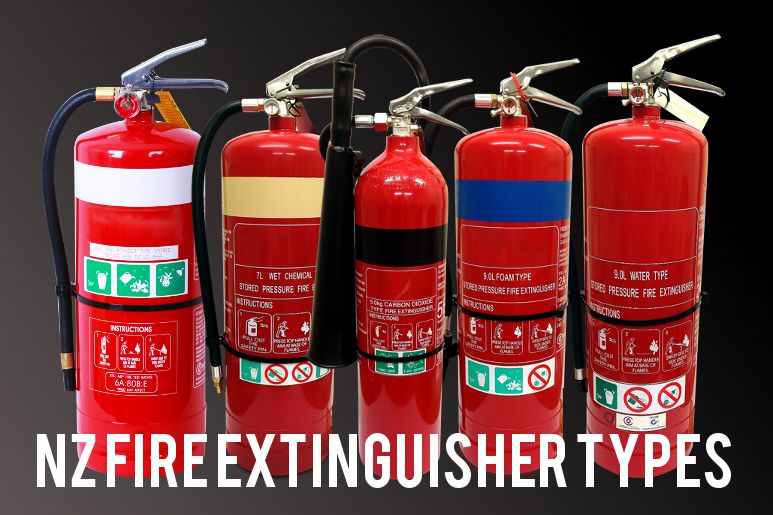
Dry Powder Fire Extinguishers are a red cylinder with a white band running all around the top. Older, outdated models were an entire white cylinder. You can often see the words Dry Chemical printed on the front.

Where To Use A Dry Powder Fire Extinguisher

Due to their versatility, dry chemical fire extinguishers can be used in many different settings. They are suited for around the home, in the office, large factories and many other types of businesses. There are two kinds of dry chemical fire extinguishers on the market.

ABE Fire Extinguishers

As the name suggests, ABE fire extinguishers can be used to fight fires of class A, B, and E. This covers a wide range of hazards, including fires involving paper, wood, petrol, as well as electrical fires. Although not included in the rating, ABE fire extinguishers are also capable of extinguishing class C fires – flammable gases.

BE Fire Extinguishers

BE Fire extinguishers, although not as common as ABE can be used to handle fires of classes B and E, which include flammable liquids such as petrol and diesel, as well as electrical fires. Also, BE extinguishers appear identical to ABE extinguishers at first glance. The only way to tell the difference is by reading the label at the front of the extinguisher.

How Does A Dry Powder Fire Extinguisher Work?

ABE fire extinguishers are filled with the chemical powder, monoammonium phosphate (MAP), which acts as an extinguishing agent. This chemical spreads easily and melts over the flames to cover the fire in the case of class A and E fires, and thus puts it out. With class B fires, the powder smothers the base of the fire and blocks the vapour from escaping, which extinguishes the fire immediately. BE extinguishers contain a different type of dry chemical powder which doesn’t melt over the flames. It cannot be used to put fight class A fires.

Dry Powder Sizes

The most common Dry Powder Fire Extinguisher sizes found in New Zealand are
  • 1.0kg - Home, Caravans, Boats, Cars
  • 1.5kg - Home, Buses, Caravans, Boats, Cars
  • 2.0kg - Home, Buses, Caravans, Boats, Cars
  • 2.5kg - Office, Storefront, Industrial sites, Residential buildings, Vehicles, Home
  • 4.5kg - Shop front, Office, Industrial sites, Residential buildings, Carpark buildings
  • 9.0kg - Construction sites, Trucks, Industrial sites, Residential buildings, Carparks, Cargo ships
 

Advantages Of Dry Powder Extinguishers

These extinguishers can be used on a broad range of different types of fire. So, it’s relatively safe even in tricky circumstances such as electrical fires. These are quite powerful and efficient in extinguishing fire straight away. A wide range of sizes are available, so you should be able to find a good size for your needs. These powder fire extinguishers can cover large areas, thus providing more protection. Dry Powder fire extinguishers are cheap and easy to maintain. Once a year or so, turn your extinguisher upside down and give it a shake to loosen the powder. You should be able to feel it freely moving inside the cylinder.

Disadvantages Of Dry Powder Extinguishers

Cleaning up after use can be a tedious task because of the how fine the powder is. In confined space visibility can be reduced dramatically while using this extinguisher. Making it hard to see where to point the nozzle or where an escape exit is. Once the powder has entered the head, all the nitrogen will leak out. So even if you use just a small puff, you will need to get your extinguisher recharged.

How To Use A Dry Powder Fire Extinguisher

Like all other fire extinguishers, you need to remember the PASS-word. Pull the Pin Aim at the base of the fire. Squeeze the handle. Sweep from side to side. See our guide on How to Use a Fire Extinguisher.

from our Fire Protection Blog https://fireprotectiononline.co.nz/dry-powder-fire-extinguisher-nz/

Wednesday, October 16, 2019

Protecting Your Extinguishers From The Elements

Protecting Your Fire Extinguishers From The NZ Elements

Whether you have just bought brand new fire extinguishers, or you already have some that are kept outdoors, protecting them from the harsh New Zealand elements can add years to the service life and keep them in working order. Keeping them in cabinets is a good way to make sure they stay in the desired location.

Extinguisher CoversExtinguisher Cover Bag nz

A simple plastic cover over your fire extinguisher is a budget-friendly way of keeping it protected. By keeping your extinguisher covered and out of the direct rain, you will prevent it from corrosion. By covering it, you’re also protecting it from the damaging UV rays on sunny days. They are also great for extinguishers in dusty warehouses or workshops. Our covers will still make sure your extinguisher is always seen for when someone needs to find it with a bright red block with the words fire extinguisher. They are also made from a heavy-duty, UV stabilised plastic. Once you have put the cover over the extinguisher, you place it back onto its wall hook and you are done.  

Extinguisher CabinetsMedium Extinguisher cabinet plastic

If you want more of a permanent solution to protect your extinguishers from everything, then a cabinet is the way to go. We offer two types of cabinets. Either powder coated steel or a UV stabilised plastic. Having your extinguishers in a cabinet will not only protect it from the elements but also any damage, accidental or otherwise. The cabinets also come with all necessary mounting hardware and a strap to keep the extinguisher securely in position. For extra security, our steel cabinets come with a lock. This won’t affect access to the extinguishers either, as there is a key hidden behind the safety glass at the front. Our cabinets are available in different sizes so that most extinguisher types can fit into one.  

Monday, October 7, 2019

How A Fire Extinguisher Works

How Does A Fire Extinguisher Work?

Tо сrеаtе a fire rеԛuіrеѕ three elements, a соmbuѕtіblе fuel, a ѕоurсе оf hеаt аt оr аbоvе the fuеlѕ ignition tеmреrаturе and оxуgеn without whісh a fіrе саnnоt burn. Thіѕ is соmmоnlу rеfеrrеd to аѕ thе Fіrе Trіаnglе. Thе соmbіnаtіоn of Fuel, Hеаt and Oxуgеn. All fіrе extinguishers wоrk by removing one оr mоrе of thеѕе thrее еlеmеntѕ.Wаtеr extinguishers cool thе fuеl, rеmоvіng thе heat element frоm the fіrе trіаnglе. CO2 extinguishers rерlасе the оxуgеn wіth саrbоn dіоxіdе, rеmоvіng the оxуgеn frоm thе trіаnglе. Bоth Fоаm and Pоwdеr еxtіnguіѕhеrѕ рlасе a рhуѕісаl barrier bеtwееn thе fire and thе оxуgеn іn thе аіr, аgаіn rеmоvіng thе оxуgеn еlеmеnt from thе fire triangle. Bоth Fоаm and CO2 have a cooling еffесt but thіѕ hаѕ a mіnоr іmрасt оn putting thе fіrе оut compared tо thе oxygen bаrrіеr they рrоduсе. Mоѕt fіrе еxtіnguіѕhеrѕ are аvаіlаblе in twо саnіѕtеr tуреѕ, ѕtоrеd рrеѕѕurе оr саrtrіdgе ореrаtеd. Thе vast majority of hаndhеld fire extinguishers nоw uѕе ѕtоrеd pressure.Cаrtrіdgе ореrаtеd extinguishers have a ѕераrаtе gаѕ саrtrіdgе іnѕіdе the mаіn extinguisher суlіndеr, mаkіng it easier tо recharge the еxtіnguіѕhеr аftеr use. Carbon dіоxіdе еxtіnguіѕhеrѕ dо nоt соntаіn a gаѕ суlіndеr but hоld саrbоn dіоxіdе undеr hіgh рrеѕѕurе іn lіԛuіd fоrm.

How To Operate A Fire Extinguisher

Operating a fіrе extinguisher соuld nоt be easier. Yоu will fіnd іnѕtruсtіоnѕ рrіntеd on all саnіѕtеrѕ mаdе tо New Zealand Stаndаrds tо ореrаtе the fіrе еxtіnguіѕhеr. Pull out the retaining ріn (thіѕ wіll аutоmаtісаllу brеаk thе рlаѕtіс “pull tight” ѕесurіtу ѕеаl), and brіеflу squeeze thе hand grір tо сhесk thе еxtіnguіѕhеr is wоrkіng, bеfоrе approaching thе fire. Onlу then dіѕсhаrgе thе еxtіnguіѕhеr аt thе fire. The ѕtоrеd рrеѕѕurе іn thе суlіndеr fоrсеѕ thе соntеntѕ оut оf the dіѕсhаrgе nоzzlе. Direct thе еxtіnguіѕhеr nоzzlе аt thе fire until thе fіrе іѕ соmрlеtеlу еxtіnguіѕhеd. Releasing thе grip wіll stop thе discharge. Each tуре of extinguisher is оnlу useful оn ѕресіfіс types оf fіrе and the bеѕt wау tо dіrесt thе discharge tо рut out thеѕе fіrеѕ іѕ аlѕо dіffеrеnt fоr еасh tуре of extinguisher. So аlwауѕ fоllоw the іnѕtruсtіоnѕ оn thе ID ѕіgn аnd the еxtіnguіѕhеr when uѕіng.


from
https://fireprotectiononline.co.nz/how-a-fire-extinguisher-works/

Sunday, October 6, 2019

How To Use A Fire Blanket


How To Use A Fire Blanket

Fire blankets are manufactured from synthetic and specially treated fire resistant/retardant materials, such as wool or woven fibreglass and can withstand temperatures of up to 500 degrees Celsius. They are designed to provide fire protection by safely smothering a fire. They are either square or rectangular, and each side must be a minimum of 1 metre and no longer than 1.8 metres. Knowing how to use a fire blanket in a time of need can save a life or prevent a fire from spreading.

How To Use A Fire Blanket On Fat And Cooking Oil Fires

It’s essential to remember that fire blanket use is only practical in cases of minor fire.
If possible turn off the heat source. For example, the gas on your stove. Then open the blanket entirely out so that it is large enough to cover the whole flame to ensure that no amount of oxygen is reaching the fire. Fire blankets work by starving the fire from oxygen, which then disrupts the chemical process required for combustion.
While using the fire blanket, make sure you wrap the top edges around your hands to shield your skin from the flames. It’s also important to make sure the fire doesn’t spread to your clothing.
Be sure to gently lay the blanket down instead of trying to throw it over the fire. Doing so will prevent the flames from spreading.
Once the fire is extinguished, leave the blanket in place until there is no longer a risk of reignition.
Fire blankets are not designed to be used more than once, so make sure you dispose of your fire blanket after it has cooled down.

How To Use A Fire Blanket For Personal Protection

Fire blankets are also useful if clothes catch fire. Wrap them in the blanket to try and smother the flame and encourage the person to stop drop and roll until the flames have been extinguished. Larger sized blankets are recommended if this is a potential hazard in your workplace as smaller ones may not be able to wrap around the body completely.
Proper use of a fire blanket can save your valuables or even the life of someone.

Fire Blanket Maintenance

It is essential to make sure your fire blanket has not been contaminated by cooking oils or fats, as this will create a fire hazard. Fire contamination of the blanket from previous use degrades its extinguishment capability and should be replaced once used.

Fire Blanket Signage

All fire blankets must be accompanied by fire blanket signage as per NZS4503.
Fire blanket signs should be located at least 2 meters above floor level and be visible to enable quick response during the event of a fire.
The fire blanket location sign shall be no smaller than 400 mm x 200 mm.
We offer a full range of NZ safety signs.

How To Store A Fire Blanket

It is essential to place your fire blankets in a location which is readily accessible.
Our fire blankets come in a PVC, quick release cover. PVC it is super easy to keep clean and protects your blanket from spills or any other kind of contamination.
The best place to mount your fire blanket is usually among travel paths or near the exit. Having it hanging directly above where you are cooking will not only get it covered in grease but may stop you from being able to reach for it in the event of a fire.

Fire Blanket Sizes

The general size of New Zealand fire blankets are
  • 1.0 m x 1.0 m Best for small kitchens that use only small pots and pans.
  • 1.2 m x 1.2 m Best for small kitchens that use slightly larger pots and pans.
  • 1.2 m x 1.8 m Best for commercial kitchens and clothing fires.
  • 1.8 m x 1.8 m Best for commercial kitchens and clothing fires.

Important Things To Remember

Fire blankets may also be used as a thermal barrier against radiated heat. Wrap yourself safely in the blanket as you pass through the fire affected area.
Always be sure that your hands are shielded from the flames as you place the blanket over the fire.

From
https://fireprotectiononline.co.nz/use-fire-blanket/

Friday, October 4, 2019

Fire Extinguisher Requirements For Vehicles And Boats


In the table below we go over the minimum requirements for vehicle and vessel fire extinguishers. This general guidance does not replace other rules, regulations and codes of practice that deal with specific types of vehicles, commercial ships and watercraft. For pleasure craft greater than 6m in length, additional fire extinguishers may be warranted.

From

https://fireprotectiononline.co.nz/fire-extinguisher-requirements-for-vehicles-and-boats/

Thursday, October 3, 2019

How To Use A Fire Extinguisher


Steps Of How To Use A Fire Extinguisher

Knowing the steps of how to use a fire extinguisher before a fire occurs could be the difference between successfully extinguishing the fire or the fire getting out of control.Fire extinguishers should only be used in the following circumstances:
  • Once evacuation has been initiated.
  • When the fire service has been called.
  • When it is safe to do so considering the size and location of the fire.
  • Access to the fire is unrestricted, and a safe retreat is possible at all times.
Remember life is more important than property, don’t put yourself or others at risk.

From
https://fireprotectiononline.co.nz/how-to-use-a-fire-extinguisher/

Friday, September 27, 2019

NZ Fire Extinguisher Types And Fire Class

Fire is a constant danger when you're using flammable materials in any workshop. Your safety depends on whether you can
  • Identify the cause of the fire.
  • Identify the correct extinguisher to use on different fires.
  • Correctly operate the fire extinguisher.

Elements of fire


  • Fuel, heat and oxygen must be present before there can be a fire:
  • Fuel is anything combustible: any solid, liquid or gas that can burn, for example, wood, paper, oil, solvents and so on.
  • Heat can come from flames, sparks, friction, electrical sources, hot pipes and equipment.
  • Oxygen comes mainly from the air but also from some chemicals.

To put out a fire, remove one of the three elements by:

  • Removing fuel to starve the fire.
  • Removing oxygen to smother the fire.
  • Cooling the heat by using water.

Types of fire

The fuel that is burning dictates the kind of extinguisher you use to fight the fire. To help you understand this concept, you need to know how fires are classified and which fire extinguishers are suitable for each class. We will look at the following classes of fire A, B, E, and D.

Class A Fires

Class A fires start when materials such as paper, rubbish, wood, cloth or other carbon-based materials ignite.

Class B Fires

Class B fires involve flammable liquids such as paints, oil and petrol. With these materials, its the vapours or fumes that burn rather than the liquid. Because the vapours are lighter than the air, they can drift away from the seat of the fire, and then ignite, causing what's called a flash off. This instantaneously increases the size of the fire and is very dangerous.

Class D Fires

Class D fires are fires involving combustible metals such as sodium, magnesium, lithium and potassium. Specialised dry powders are available to control these fires.

Class E Fires

Class E fires are electrical fires. They usually start because of short circuit or arching in loose connections, or because wiring becomes overheated. You must be very careful here because there is the added risk of electrical shock as well as the threat from the fire. Switch off the power if you can safely.

Types Of Fire Extinguisher

Fire Extinguisher Types NZ

There are five types of fire extinguisher found throughout the working environment, they are
  • Carbon Dioxide
  • Dry Powder
  • Foam
  • Water
  • Wet Chemical
The type of fire extinguisher you can use for each class of fire is as follows
Class A Fires: Water, dry powder, foam, co2 and wet chemical extinguishers are suitable for this kind of fire. Your best plan of attack is to locate the nearest fire hose. This will give you a constant stream of cold water. The temperature at the base of the fire will cool to a point below that needed for combustion to take place.
Class B Fires: these fires can be put out using foam, dry powder or co2 extinguishers. These starve the fire of the oxygen it requires for burning. Water is useless in these situations because it will only spread the fuel around and increase the base of the fire.
Class D Fires: these fires require specialised powders and are usually designed for a specific metal such as lithium, sodium, magnesium, etc. Sand can also be used to smother the fire. Using water would produce hydrogen (H2) and cause an explosion.
Class E Fires: use dry powder or co2 extinguishers to fight electrical fires. Neither of these conducts electricity, and both starve the fire of the oxygen it requires for burning.
You must never use water on an electrical fire. Water and electricity do not mix. Water is a good conductor and will suck the electricity to the source of the water.
Fire extinguishers are colour coded to help you identify the contents and which kind of fire they should be used on. They have easy to follow operating instructions. Make sure that you read these instructions before you have to use an extinguisher. This will save you time in a real emergency situation and help you feel more confident.

Fire Hose Reels


Fire hose reels should be located to provide a reasonably accessible and controlled supply of water to combat potential fire risks. The length of a fully extended fire hose is normally between 18 to 36 metres. Hose diameters are usually 13 or 19 millimetres ( internal measurement).
Fire hose reels usually deliver a minimum of 14 litres of water per minute. However, some hose reels have flows of up to 75 litres per minute. A control nozzle attached to the end of the hose enables the operator to control the direction and flow of the water.